
Nylon or Steel: Which Garage Door Roller Should You Install?
Published August 15, 2026 · Alfonso Garage Door
Nylon rollers are the better default for most San Francisco garages because they run quieter and resist our coastal moisture, and a full set replacement with Alfonso Garage Door typically runs $90 to $180. Steel still has its place on heavier commercial doors, but for a standard residential door, nylon wins almost every time.
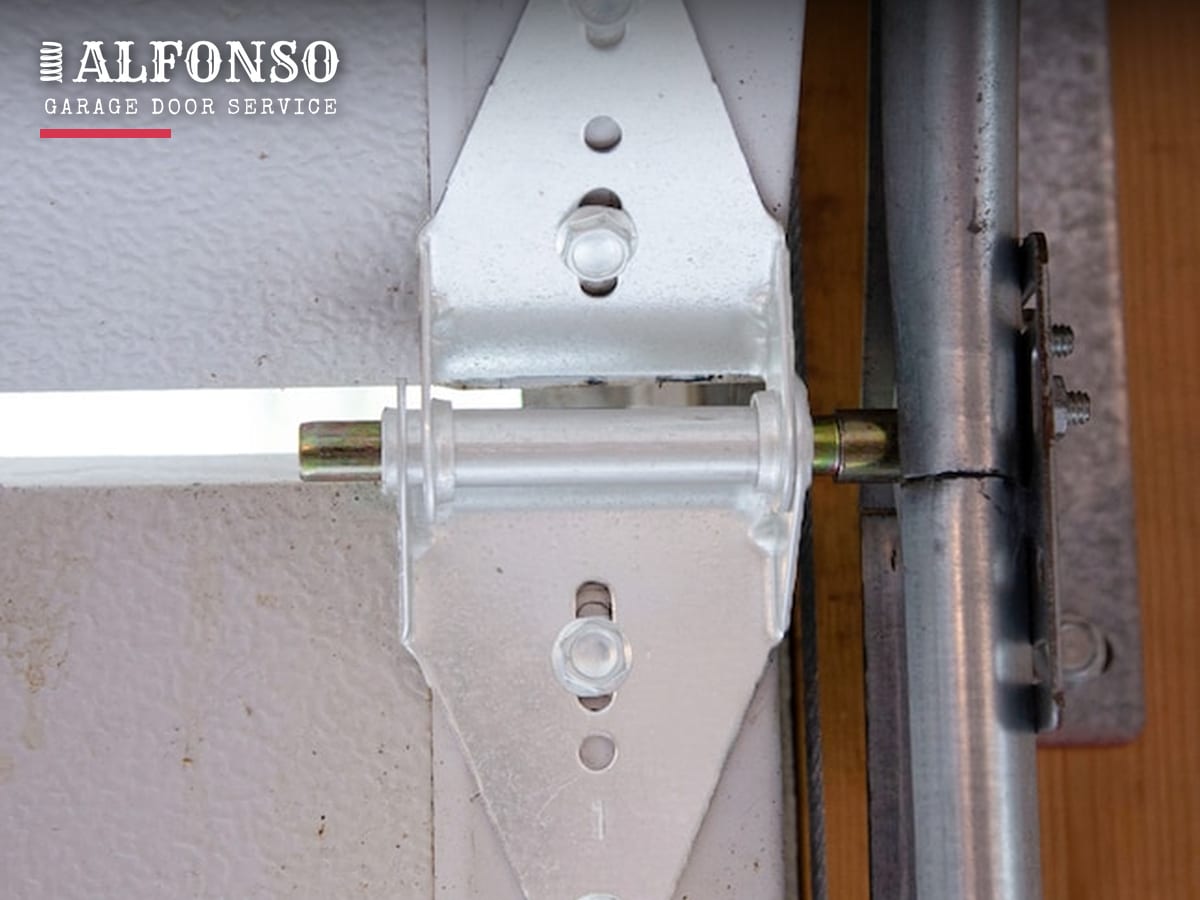
Every roller we pull off a San Francisco door tells a story. Fog country rusts steel fast if it's not sealed right, and cheap nylon wears out from years of sun on a west facing garage. We've swapped enough of both to know exactly where each one earns its keep, and where it's just going to cost you a second visit down the line.
Why We Default to Nylon in Most San Francisco Homes
Nylon rollers have sealed bearings and a wheel material that doesn't need metal on metal contact in the track. That matters here because fog and salt air chew through cheap steel over a few winters, especially out in the Sunset District or anywhere close to the water. Steel can rust at the axle even if the wheel itself still looks fine, and once that happens the roller starts binding instead of rolling.
The other reason we lean nylon is noise. A steel roller in a steel track is going to rattle no matter how well it's lubricated. Nylon absorbs some of that vibration. If your bedroom sits above or next to the garage, that difference is not small. We've had customers tell us they can finally sleep through an early opener cycle after we swapped their rollers out.
None of this means steel is bad. It means steel is the wrong default for a typical wood or steel sectional door on a house. We still install steel when the application calls for it, which I'll get into below.
When Does Steel Actually Make Sense?
Steel rollers earn their spot on heavier doors, mainly commercial applications or oversized residential doors carrying more weight per section than a standard door. Nylon wheels can flatten or crack under sustained heavy loads over years, while steel just doesn't deform the same way.
If you're running a garage that doubles as a shop, gets opened dozens of times a day, or carries insulated glass panels that add serious weight, steel rollers with sealed bearings can outlast nylon in that specific role. We see this more with Marina district live-work spaces and a handful of older commercial buildings around the city.
The tradeoff is noise and maintenance. Steel rollers need more frequent lubrication to stay quiet and to prevent the corrosion issue I mentioned earlier. If you're fine doing that upkeep or your garage is detached from living space, steel is a reasonable call for a heavy door. For a normal home garage attached to bedrooms, I'd still steer you to nylon.
What Actually Causes Roller Failure Around Here?
Three things wreck rollers in San Francisco faster than anywhere I've worked before: coastal moisture, steep driveway angles that put uneven stress on the track, and just plain age. Bearings dry out. Nylon wheels can develop flat spots from sitting in one position for months if a door isn't used often.
We also see a lot of damage from a misaligned track pulling rollers sideways instead of straight through their channel. That's not really a roller problem at the root, it's a track problem wearing out the roller faster than it should. If you've had rollers replaced once already and they're already noisy again within a year or two, get the track checked before you just swap parts again.
Age alone gets most doors eventually. A roller that's been in service for ten plus years has usually seen enough open and close cycles that the bearing has worn down regardless of material. At that point it's not really a question of nylon versus steel anymore, it's just time.
How Do You Know It's Time to Replace Rollers?
The obvious sign is noise. A grinding, squealing, or rhythmic thumping sound as the door moves usually points straight to the rollers, especially if it gets louder as the door approaches the top or bottom of the track.
Beyond sound, look at the wheel itself if you can see it. Cracks in a nylon wheel or visible rust pitting on a steel one both mean replacement time. A wobble in the roller as it travels, where it looks like it's fighting the track instead of gliding through it, is another clear sign.
If you're already having someone out for a safety inspection, ask them to check roller wear while they're in there. It's a quick visual check and it's much easier to catch a roller going bad before it snaps a stem or jumps the track entirely, which turns into a more expensive repair.
What Does a Roller Replacement Cost in San Francisco?
A straightforward roller swap on a residential door runs $90 to $180 with Alfonso Garage Door, depending on how many rollers need replacing and whether we're also adjusting the track while we're in there. Most jobs land in the middle of that range since we usually find a mix of good and worn rollers rather than a complete failure across the whole set.
If the rollers have been neglected long enough to also throw the door off track, that's a separate issue and gets priced accordingly, since it involves more than just the roller swap. We always look the door over fully before quoting so there's no surprise add on once we've started.
Compare that to what happens if a bad roller gets ignored and eventually jumps the track entirely, or worse, damages a cable in the process. That's a bigger job and a bigger bill. Catching worn rollers early is genuinely one of the cheapest fixes we do, and it's worth doing before it turns into something involving the cable system too.
Should You DIY This or Call Someone?
Roller replacement looks simple on paper. It is not something I'd recommend doing yourself if your door uses torsion springs, because the bottom rollers sit close to spring tension and cable routing that can seriously hurt someone if handled wrong. Top rollers are a little more forgiving but still involve working under a door that's under spring load.
There's also a judgment call involved in matching roller size and stem length to your specific track and hinge setup. Get that wrong and the door can bind or run rough even with brand new parts installed. We carry both 2 inch and 3 inch stem options on the truck for exactly this reason, along with nylon and steel wheels in a few load ratings.
If your door is already showing other issues, worn hinges, a sensor acting up, or an opener that struggles on the last few inches of travel, it's worth having someone look at the whole system at once rather than just the rollers in isolation. Bundling that into one visit saves you a second service call and often a second trip charge.
Alfonso Garage Door replaces worn rollers across San Francisco for $90 to $180 depending on roller count and whether the track needs adjusting.
Give Alfonso Garage Door a call at (415) 494-4774 and let's talk about which roller makes sense for your door.